Why Diagnostic Equipment Is Important for Small Clinics
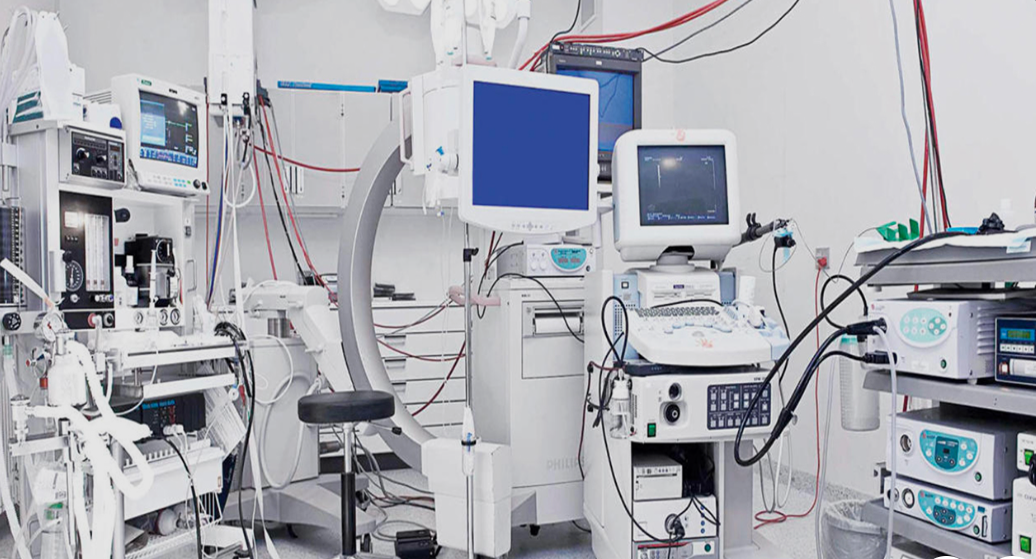
Diagnostic equipment helps healthcare professionals detect diseases, monitor patient conditions, and make informed treatment decisions. Without proper diagnostic tools, clinics may need to refer patients elsewhere for testing, which can delay treatment. Having the right equipment enables clinics to:- Provide faster diagnosis and treatment
- Improve patient care and satisfaction
- Increase operational efficiency
- Reduce the need for external laboratory testing
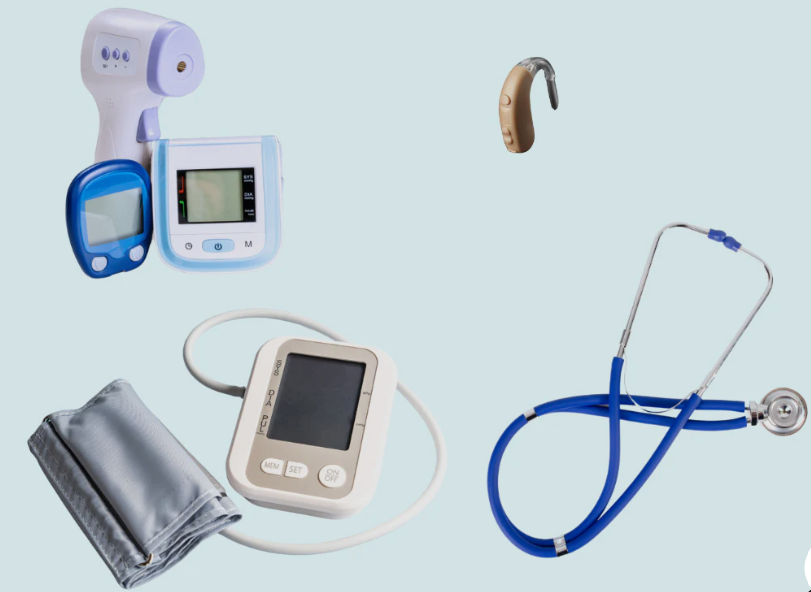
1. Digital Thermometer
A digital thermometer is one of the most basic but essential diagnostic tools used in clinics. It helps measure a patient’s body temperature quickly and accurately. Common uses include:- Detecting fever
- Monitoring infections
- Assessing patient health during routine examinations
2. Blood Pressure Monitor
A blood pressure monitor is vital for diagnosing and managing conditions such as hypertension and heart disease. Benefits include:- Monitoring cardiovascular health
- Identifying high or low blood pressure
- Supporting routine patient checkups
3. Glucometer (Blood Glucose Monitor)
Diabetes is a common condition that requires regular monitoring. A glucometer allows clinics to measure blood sugar levels quickly. Advantages include:- Immediate glucose test results
- Easy operation for healthcare staff
- Improved monitoring of diabetic patients
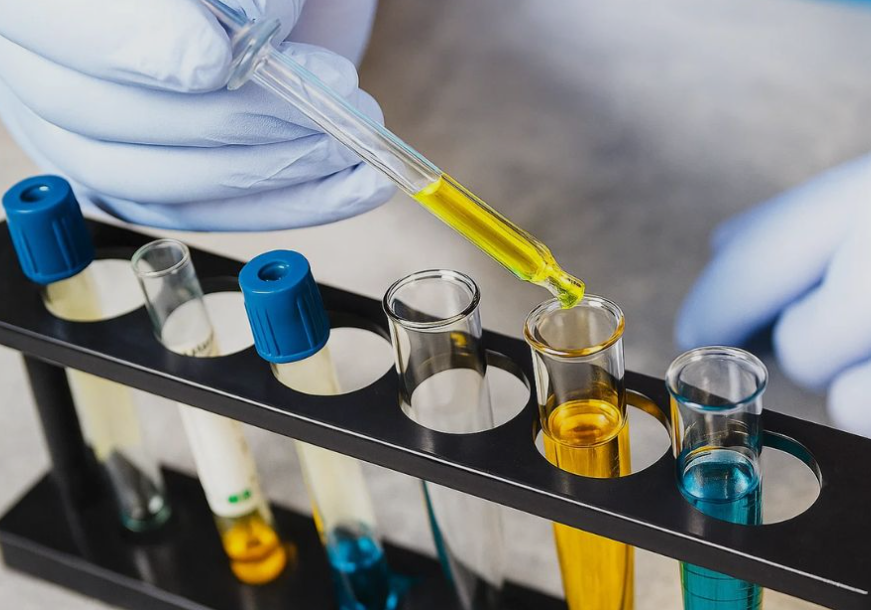
4. Laboratory Microscope
A microscope is an important diagnostic tool for detecting microorganisms and examining biological samples. Microscopes are commonly used for:- Malaria diagnosis
- Parasite detection
- Blood sample examination
- Microbiology testing
5. Centrifuge
A centrifuge is used to separate components of blood or other fluids by spinning samples at high speed. It helps laboratories perform tests such as:- Blood plasma separation
- Urine analysis
- Biochemical testing preparation
6. Pulse Oximeter
A pulse oximeter measures oxygen levels in the blood and helps detect respiratory problems. This device is useful for:- Monitoring patients with breathing difficulties
- Checking oxygen saturation levels
- Assessing respiratory conditions
7. Examination Light and Basic Diagnostic Tools
Small clinics also require basic examination equipment such as:- Examination lights
- Stethoscopes
- Otoscopes for ear examination
- Weighing scales
- Patient examination beds
Factors to Consider When Choosing Diagnostic Equipment
Small clinics should consider several factors before purchasing diagnostic equipment:1. Clinic Size and Services
Choose equipment based on the types of medical services provided.2. Budget and Cost Efficiency
Select equipment that offers reliability and long-term value while staying within budget.3. Ease of Use
Equipment should be simple to operate and maintain to avoid errors.4. Quality and Durability
Medical equipment should be durable and meet healthcare standards to ensure long-term performance.5. Supplier Support
Working with a trusted supplier ensures proper installation, guidance, and access to replacement parts.How Lizsol Chem Company Limited Supports Small Clinics
At Lizsol Chem Company Limited, we understand the needs of small clinics and healthcare providers. Our mission is to support healthcare facilities by supplying reliable laboratory equipment, chemicals, and diagnostic solutions. We offer:- Quality laboratory and diagnostic equipment
- Chemical supplies and laboratory reagents
- Professional guidance on laboratory setup
- Reliable support for healthcare facilities
Conclusion
Diagnostic equipment is essential for small clinics that want to provide accurate and efficient healthcare services. By investing in the right tools—such as thermometers, blood pressure monitors, microscopes, and glucometers—clinics can improve patient care and strengthen their diagnostic capabilities. Lizsol Chem Company Limited is committed to supporting healthcare facilities with reliable equipment and trusted laboratory solutions that meet modern healthcare needs.Looking for reliable diagnostic equipment for your clinic? Contact Lizsol Chem Company Limited today to learn how we can support your healthcare facility with quality laboratory and medical solutions.