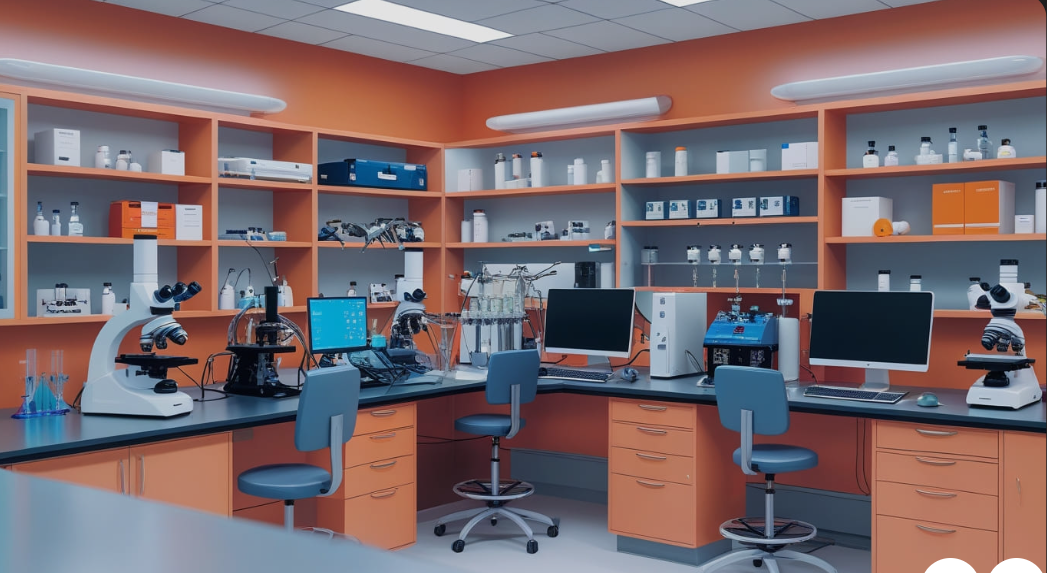
Why Building a Modern Laboratory Matters
A well-equipped laboratory improves the quality of testing, enhances research capabilities, and ensures safety for laboratory personnel. World-class laboratories support:- Accurate diagnostic and research results
- Efficient laboratory workflows
- Compliance with national and international standards
- Safe handling of chemicals and biological materials
- Reliable healthcare and scientific services
Step-by-Step Guide to Building a World-Class Laboratory
Step 1: Define the Purpose of the Laboratory
The first step in building a laboratory is determining its primary purpose. Different laboratories require different equipment, infrastructure, and safety systems. Examples of laboratory types include:- Medical diagnostic laboratories
- Research laboratories
- Industrial testing laboratories
- Pharmaceutical laboratories
- Educational laboratory facilities
Step 2: Plan the Laboratory Layout and Infrastructure
Proper laboratory design ensures efficiency, safety, and smooth workflow. Important considerations include:- Adequate workspace for laboratory personnel
- Proper ventilation systems
- Chemical storage areas
- Separate areas for sample preparation and testing
- Emergency safety equipment and exits
Step 3: Ensure Compliance with Safety and Regulatory Standards
Laboratories must comply with national and international regulations to ensure safe operations. Key safety considerations include:- Proper chemical storage systems
- Biosafety cabinets for handling biological samples
- Fire safety equipment
- Emergency eyewash stations and safety showers
- Personal protective equipment (PPE)
Step 4: Select the Right Laboratory Equipment
Laboratory equipment forms the core of laboratory operations. Selecting reliable and high-quality instruments is essential for accurate testing. Essential laboratory equipment may include:- Microscopes for sample analysis
- Centrifuges for separating biological samples
- Laboratory analyzers for diagnostic testing
- Autoclaves for sterilization
- Incubators for culture growth
- Refrigerators and freezers for sample storage
Step 5: Establish Reliable Utility Systems
Laboratories depend on stable utilities to function efficiently. Essential systems include:- Reliable electricity supply with backup power
- Clean water supply
- Gas supply systems for certain experiments
- Waste management and chemical disposal systems
- Temperature control systems
Step 6: Develop Standard Operating Procedures (SOPs)
Standard Operating Procedures (SOPs) guide laboratory staff in performing tests and experiments safely and consistently. SOPs help ensure:- Accurate laboratory testing methods
- Consistent results
- Safe handling of chemicals and equipment
- Compliance with laboratory quality standards
Step 7: Recruit and Train Qualified Laboratory Personnel
Skilled laboratory professionals are critical to the success of any laboratory. Laboratory staff should receive training in:- Equipment operation
- Safety protocols
- Laboratory procedures
- Chemical handling and storage
- Quality control practices
Step 8: Implement Quality Control Systems
Quality control ensures that laboratory results are accurate, reliable, and consistent. Quality control measures include:- Regular equipment calibration
- Validation of laboratory methods
- Internal and external quality assessments
- Proper documentation and record keeping
Step 9: Establish Maintenance and Equipment Management Systems
Laboratory equipment must be maintained regularly to ensure accuracy and reliability. Maintenance activities include:- Preventive equipment servicing
- Calibration and testing
- Replacement of worn components
- Equipment performance monitoring
Step 10: Continuous Improvement and Upgrading
A world-class laboratory continuously improves its systems and technologies. Laboratories should:- Upgrade equipment when necessary
- Adopt new technologies and testing methods
- Provide continuous training for staff
- Monitor performance and efficiency
How Lizsol Chem Company Limited Supports Laboratory Development
At Lizsol Chem Company Limited, we are committed to supporting laboratories and healthcare facilities in building efficient and reliable laboratory environments. Our services include:- Supply of high-quality laboratory equipment
- Provision of laboratory chemicals and reagents
- Guidance on laboratory setup and equipment selection
- Reliable support for healthcare, research, and educational laboratories
Conclusion
Building a world-class laboratory requires strategic planning, reliable infrastructure, skilled personnel, and high-quality equipment. By following a structured implementation approach, healthcare facilities and research institutions can create laboratories that deliver accurate results, maintain safety, and support scientific innovation. Lizsol Chem Company Limited remains a trusted partner for laboratories seeking reliable equipment, chemical supplies, and professional laboratory solutions.Planning to build or upgrade a laboratory? Contact Lizsol Chem Company Limited today to learn how we can support your laboratory with trusted equipment, chemicals, and professional laboratory solutions.